
As we navigate the middle of 2026, the conversation surrounding end-of-life choices has shifted dramatically. No longer are we limited to the binary choice of traditional casket burial or flame-based cremation. A third way—once a niche scientific process—has moved into the mainstream. Water cremation, professionally known as alkaline hydrolysis, is quickly becoming the preferred choice for environmentally conscious families across the globe.
But what exactly is this process, and why is it seeing such a massive surge in popularity this year? Often referred to as “aquamation” or “flameless cremation,” this method offers a gentle, eco-friendly alternative that aligns with modern values of sustainability and peace. In this comprehensive guide, we will dive deep into the science, the benefits, and the future of water cremation.
The Science: How Water Cremation Actually Works
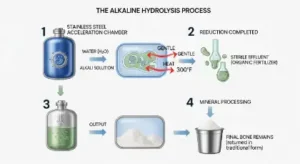
While the term might sound futuristic, the chemistry behind water cremation is actually a high-speed version of a natural process. When a body is buried in the earth, it eventually returns to its elemental form through a combination of moisture, soil alkalinity, and time. Water cremation replicates this cycle in a matter of hours rather than decades.
The process takes place in a clean, pressurized stainless steel chamber. The body is placed inside, and a solution consisting of 95% water and 5% alkali (usually potassium hydroxide) is introduced. By heating the water to approximately 300°F (150°C) and circulating it gently, the soft tissues of the body are broken down into their constituent building blocks: amino acids, peptides, sugars, and salts.
What remains at the end are the inorganic bone minerals. These are processed into a fine, white powder—similar to the “ashes” from flame cremation, though often much whiter and finer in texture. This powder is then returned to the family in an urn, just as it would be in a traditional service.
Why Water Cremation is Trending in 2026
The rise of aquamation isn’t an accident; it is the result of three major cultural shifts hitting their peak this year:
- Environmental Urgency: Traditional flame cremation requires an immense amount of energy and releases carbon dioxide and mercury vapor into the atmosphere. In a world increasingly focused on carbon neutrality, water cremation offers a 90% reduction in energy usage.
- Legalization and Accessibility: In 2026, more states and countries than ever before have updated their funeral legislation to include alkaline hydrolysis. This regulatory shift has allowed funeral homes to invest in the technology, making it a localized option for millions.
- The “Gentleness” Factor: For many families, the imagery of fire can be harsh or distressing. Water is universally associated with cleansing, peace, and renewal. This psychological comfort is a significant driver for families choosing aquamation for their loved ones.
Environmental Impact: The Greenest Way to Go
When comparing end-of-life options, the “green” credentials of water cremation are hard to beat. To understand its value, we have to look at the alternatives it replaces.
Traditional burials often involve embalming fluids (which contain formaldehyde) and heavy steel or hardwood caskets that take up valuable land. Flame cremation, while more space-efficient, burns fossil fuels and can release harmful pollutants. Aquamation, however, produces no toxic air emissions and uses no fire. The sterile liquid byproduct is actually a rich organic fertilizer that can be safely returned to the water cycle or used in “legacy gardens” to nourish new life.
Cost, Logistics, and What Families Should Expect
In 2026, the cost of water cremation has become highly competitive with traditional methods. Generally, it sits at a price point slightly higher than basic flame cremation but significantly lower than a full traditional burial with a plot and vault. Prices typically range from $2,000 to $4,500, depending on the provider and the memorial services included.
Logistically, the experience for the family remains largely the same. You can still hold a viewing or a traditional funeral service prior to the process. Once the water cremation is complete, the remains can be kept in an urn, scattered in a meaningful place, or even used in the creation of memorial jewelry or “eternal reefs.”
Common Questions About Water Cremation
Is the liquid “DNA” of my loved one?
No. The process breaks down organic matter at a molecular level. The remaining liquid is sterile, containing only salts, sugars, and nutrients. There is no DNA or recognizable “matter” left in the water solution.
Can we still have a “traditional” urn?
Absolutely. Because the bone minerals remain intact, they are processed into ashes that look very similar to traditional cremains. You can use any standard urn designed for cremation.
Is it legal everywhere?
While 2026 has seen a surge in legalization, it is still worth checking your local state or provincial laws. However, many funeral homes now offer transport services to the nearest facility if it is not yet available in your specific city.
The Future of Remembrance
 Choosing how we are remembered is one of the most personal decisions we will ever make. As we look toward a more sustainable future, water cremation stands out as a beautiful synthesis of science and spirit. It offers a way to return to the earth that is as gentle as it is ecological.
If you are exploring your options for a modern farewell, you may also be interested in our guides on the benefits of green burial or our recent look at how AI is changing obituary writing. By staying informed about these 2026 trends, you can ensure that your final tribute—or that of a loved one—is perfectly aligned with your values.
For more information on finding a provider near you, or to learn about other emerging funeral technologies, continue browsing our latest articles at NewDeaths.com.