
What is a “Ghost Bot”?
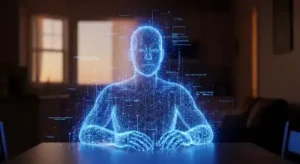 A “Ghost Bot” (or grief bot) is an interactive AI simulation trained on a deceased person’s digital footprint—their WhatsApp logs, emails, social media posts, and even voicemails. By 2026, these tools have moved from niche experiments to a market valued at over $35 billion. Families can now “chat” with a digital version of a late parent or attend a virtual event with a 3D “Ghost Avatar.”
While these tools offer profound comfort to some, they present a massive legal hurdle: Who owns your digital ghost? If you didn’t explicitly consent to being turned into an AI, does your next of kin have the right to “resurrect” you using your private data?
The 2026 Legal Landscape: Digital Succession
The year 2026 has become a turning point for digital estate law. High courts in Europe and the UK have recently issued landmark rulings that treat digital accounts as “contractual rights” identical to physical letters and diaries. This means that, under many modern succession laws, heirs now inherit the legal right to access a deceased person’s data—overriding the restrictive Terms of Service of big tech platforms.
However, the Digital Inheritance Crisis 2026 isn’t just about access; it’s about use. New frameworks like the EU AI Act and India’s DPDP Act are introducing the “Right to Nominate.” This allows individuals to appoint a “Digital Executor” specifically tasked with deciding if their AI avatar should ever be “switched on.” Without this designation, families are left in a legal limbo, fighting platforms for control over a loved one’s digital remains.
The Ethical Quagmire: Consent and “Enshittification”
Beyond the courtroom, the rise of ghost bots raises unsettling ethical questions. One major concern in 2026 is the “commercialization of mourning.” Ethicists warn of “enshittification” in the afterlife—scenarios where a digital version of a loved one might subtly recommend a subscription upgrade or a sponsored product mid-conversation. Since these AIs are owned by private corporations, your “digital soul” could technically be subject to a company’s changing business model.
Furthermore, psychologists are tracking the impact of “liminal loops.” If a deceased person is always “available” via an app, the brain may struggle to reach the stage of acceptance, potentially leading to Prolonged Grief Disorder. The “Invisible Internet” of 2026 offers a radical form of comfort, but it demands a radical level of responsibility from those left behind.
The Financial Risk of Unfinished Digital Estates
The crisis extends into the financial realm. Digital estates in 2026 are increasingly high-value, containing more than just photos. They include:
- Cryptocurrency Wallets: Often unrecoverable without private keys.
- Monetized Content: YouTube, Substack, and Etsy accounts with ongoing revenue.
- AI-Generated Assets: Royalties from digital art or music created by the deceased’s AI tools.
Without a clear digital will, these assets often become “ghosted”—locked in digital vaults that neither the family nor the state can legally crack. This has given rise to a new profession: the Digital Afterlife Curator, a hybrid of a probate lawyer and a cybersecurity expert.
How to Protect Your Digital Legacy
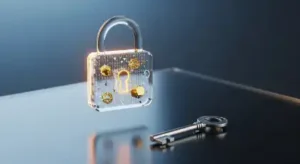 To avoid leaving your family in a Digital Inheritance Crisis 2026, proactive planning is essential. Modern estate planning now requires more than just a list of physical assets. Here is how to secure your digital future:
- Draft a Digital Will: Explicitly state whether you consent to being turned into an AI avatar or “Ghost Bot.”
- Appoint a Digital Executor: Designate a person with the legal authority to manage, close, or transfer your digital accounts.
- Use an Encrypted Vault: Store your recovery keys and passwords in a secure digital vault that can be triggered by your death certificate.
- Specify Granular Consent: Choose exactly which folders or chat logs your executor can see. You may want them to have your photos, but not your private 2015 DMs.
Conclusion: Letting Go in a Digital Age
As we navigate 2026, the greatest status symbol may not be digital immortality, but the grace to let go. While ghost bots offer a way to preserve family history, they are simulations, not souls. By addressing the Digital Inheritance Crisis 2026 now, we ensure that our digital remains are handled with the same dignity as our physical ones. The dead deserve peace, and the living deserve the clarity to move forward without being haunted by unconsented code.
Stay updated on the latest in death tech and digital estate planning at NewDeaths.com.