In 2026, a noticeable shift has emerged within the deathcare industry: families and providers are increasingly seeking environmentally friendly burial and funeral options that minimize ecological impact. Driven by rising concerns about climate change, natural resource depletion, and the long‑term footprint of traditional funeral practices, the story of “green funerals” is reshaping how society approaches the end of life.
What Are Green Funerals?
Green funerals, also known as natural burials or sustainable deathcare, refer to practices that prioritize ecological conservation, reduced emissions, and minimal environmental disruption. Unlike traditional burials that often use non‑biodegradable materials and toxic embalming chemicals, green funerals focus on returning the body to the earth naturally with biodegradable materials, no embalming, and sometimes in a conservation burial ground.
Eco‑friendly funeral options may include:
- Natural burials (no embalming, shrouds or eco‑coffins)
- Biodegradable coffins made from materials like wicker or cardboard
- Human composting (also called natural organic reduction)
- Water cremation / alkaline hydrolysis
- Green cemetery burials that focus on conservation and ecosystem restoration
These approaches often align with values held by environmentally conscious individuals and younger generations who want their final choices to reflect ecological stewardship rather than conventional funeral norms.
Why Green Funerals Are Trending in 2026
Environmental awareness has become a core consideration across many life decisions — including death care. Traditional cremation emits significant carbon dioxide and other pollutants while conventional burials may involve embalming toxins and non‑biodegradable materials that persist in the soil. Many mourners now ask: “What impact will my death leave on future generations?”
According to industry market reports, the global green funerals market was valued at USD 5.20 billion in 2025 and is expected to grow with a compound annual growth rate close to 9.2% through the next decade, indicating sustained demand.
International environmental groups, academic researchers, and certification bodies like the Green Burial Council have helped codify standards for sustainable burial sites and practices, providing families and deathcare professionals with guidance on what qualifies as a green funeral.
Types of Sustainable Funeral Practices
Natural Burial Grounds
Natural burial grounds prohibit embalming fluids, avoid metal or synthetic caskets, and limit ground disturbance. Graves often integrate into natural landscapes with native plants, contributing to ecosystem health.
Human Composting / Terramation
Also known as natural organic reduction, human composting harnesses microbial decomposition in a controlled environment to transform remains into compost that can nourish soil and plant life. Seen as a regenerative form of burial, it is gaining legal acceptance in more jurisdictions.
Water Cremation (Alkaline Hydrolysis)
Water cremation uses heated water and alkaline chemicals to accelerate decomposition. It produces fewer emissions than flame cremation and leaves behind nutrient‑rich remains. Recent policy changes in countries like Scotland have legalized this method as a low‑impact alternative.
Biodegradable Coffins & Urns
Funeral designers now offer coffins and urns made from organic materials like wicker, which biodegrade rapidly and reduce energy consumption associated with production and burial.
Public Awareness & Cultural Shifts
Much of the increased interest in green funerals comes from broader cultural conversations about environmental sustainability. For example, recent news features sustainable burial options that highlight the reduced carbon footprint of alternatives like natural burials compared with traditional cremations — often associated with fossil fuel emissions.
Younger generations — especially millennials and Gen Z — often view sustainability as integral to every life stage, including after death. This has influenced funeral service providers to offer green choices alongside standard burial and cremation options.
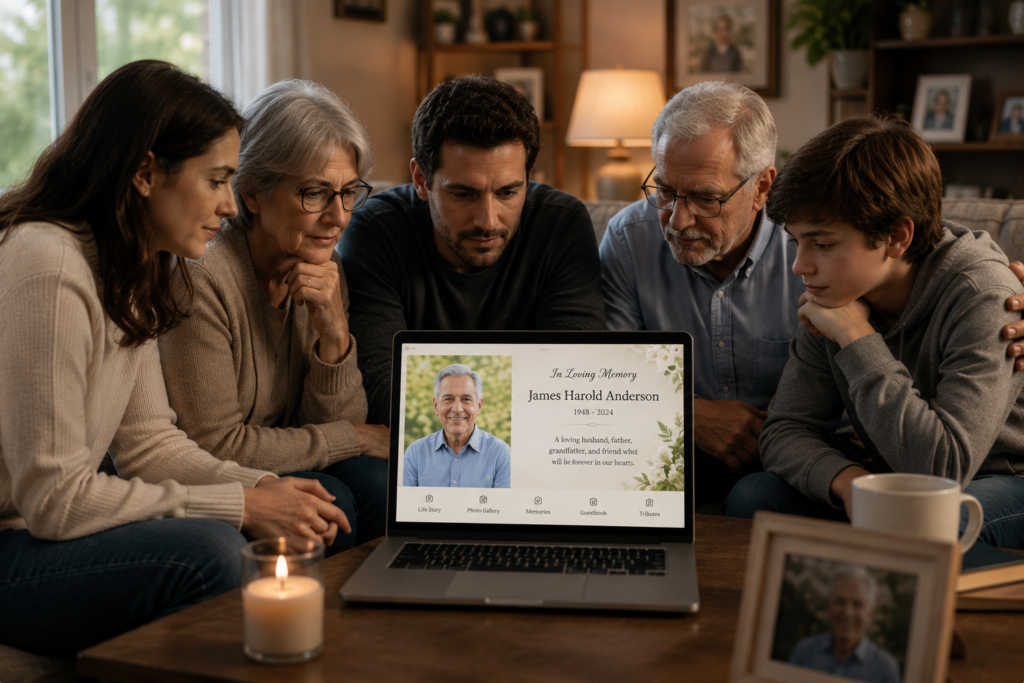
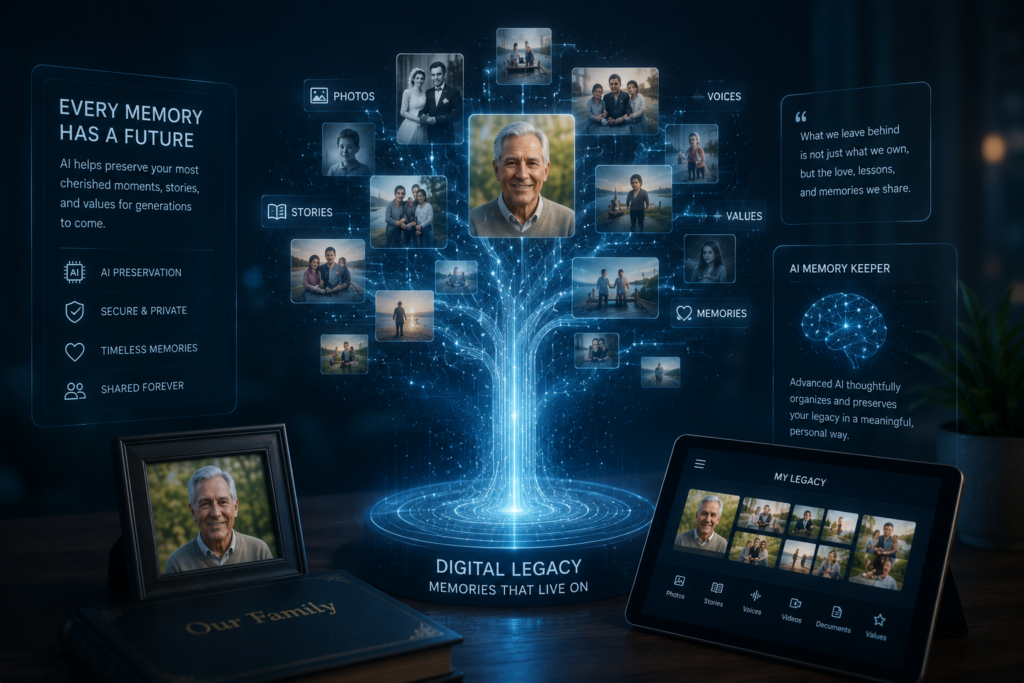
These trends also connect with broader social practices, such as digital memorialization and eco‑conscious legacy planning. For example, families who choose green burials may also adopt digital memorial plaques that preserve memories with minimal material resources.
Challenges & Considerations
Despite enthusiasm, green funerals face several barriers:
- Legal and regulatory variation by region
- Availability of certified green burial sites
- Public understanding and awareness of options
- Cost and infrastructure for emerging practices like human composting
Many funeral homes are still centered around conventional practices and may need education, certification, or partnerships with green burial providers to expand offerings.
Families considering eco‑friendly options are encouraged to consult professionals early in planning to understand legal requirements and site availability. Resources such as market guides and certification bodies like the “Green Burial Council” can help with decision‑making.
The Future of Sustainable Deathcare
The trajectory of the deathcare industry suggests that sustainability will continue to be a defining trend in coming years. As environmental awareness deepens and technology supports new alternatives, practices like green burials, aquamation, and human composting may become more widely available and culturally mainstream.
Whether driven by ecological priorities, a desire for minimal ecological footprint, or a broader philosophy of returning to nature, green funerals are reshaping the way many people approach their final chapter. By marrying respect for the deceased with reverence for the planet, these practices reflect a new era of conscious deathcare in 2026 and beyond.
Conclusion
Green funerals and sustainable deathcare represent a meaningful shift in how society views the end of life. Moving beyond tradition, these eco‑friendly practices champion both dignity for loved ones and care for the planet — turning burial into an opportunity for renewal rather than environmental burden.
As more families explore their options and technology supports broader choices, it is likely that sustainable deathcare will become a lasting part of modern funeral culture.