
Artificial intelligence is changing the way people think about memory, identity, and what remains after death. While traditional memorials preserve photographs, stories, and physical keepsakes, new AI technologies are creating digital representations that allow families to interact with memories in new ways.
AI afterlife avatars, sometimes called digital twins, griefbots, or digital replicas, use information such as photographs, videos, voice recordings, messages, and personal writings to create interactive versions of people who have passed away.
These technologies are becoming part of a growing field often called digital afterlife or death technology. Researchers are examining how these tools may influence grief, remembrance, privacy, and the way society understands identity after death.
What Are AI Afterlife Avatars?
AI afterlife avatars are digital systems designed to simulate aspects of a person’s personality, communication style, or memories using artificial intelligence. They may appear as chatbots, voice assistants, video avatars, or interactive digital characters.
These systems do not bring someone back to life. Instead, they create a technology-based representation using available digital information.
For example, an AI avatar may analyze a person’s old messages, photographs, recorded conversations, and videos to generate responses that resemble their communication patterns.
The technology behind these systems has developed alongside advances in generative AI, voice cloning, and image generation. Academic research describes interactive deadbots as systems that use a person’s likeness, voice, and personal data to create conversational digital representations.
Why Digital Twins After Death Are Becoming Popular
People today leave behind more digital information than any previous generation. Social media posts, cloud storage, emails, videos, and personal recordings create a large collection of memories that continue to exist after death.
As a result, families are exploring new ways to organize and preserve these digital traces. AI technology allows people to transform scattered files into more structured digital archives and interactive experiences.
This trend connects with NewDeaths coverage of digital memorials, AI remembrance, and changing approaches to death technology.
How AI Creates a Digital Representation
Creating an AI afterlife avatar typically involves collecting different types of personal information. This may include:
- Photos and videos
- Voice recordings
- Written messages
- Social media content
- Personal stories and memories
- Family-provided information
Artificial intelligence can analyze these materials to identify patterns in language, appearance, and communication style. The result may be a digital experience that reflects certain characteristics of the person.
However, these systems represent selected information rather than the complete identity of an individual. Human experiences, emotions, relationships, and memories are far more complex than any digital model.
The Role of AI in Preserving Family Memories
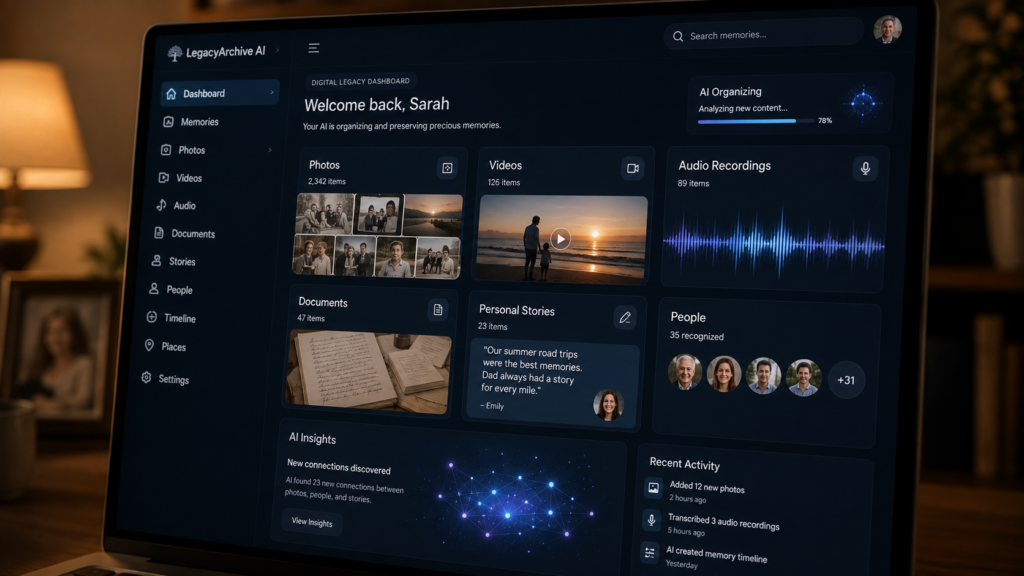
One potential benefit of AI memorial technology is helping families preserve personal histories. Many families have boxes of photographs, old recordings, and handwritten documents that are difficult to organize.
AI tools may help categorize these materials and create digital timelines that highlight important moments from a person’s life.
For example, an AI-powered archive could organize childhood photographs, career milestones, family celebrations, and personal stories into a digital biography that future generations can explore.
AI Afterlife Technology and Grief Support
Some researchers are exploring whether digital representations may have a role in grief support. These systems may allow people to revisit memories or engage with stored information about someone they lost.
Research into postmortem avatars has examined possible applications in grief therapy while also highlighting the need for careful ethical considerations and further study.
Some families report finding comfort in AI-generated videos or digital recreations of loved ones. Recent reporting has shown growing interest in AI-created memorial videos, while experts continue discussing the emotional and ethical effects of these technologies.
Ethical Questions Around AI Digital Resurrection
Although AI afterlife technology creates new possibilities, it also raises difficult questions about privacy, consent, and ownership.
Important concerns include:
- Did the person approve the use of their digital information?
- Who controls the digital representation after death?
- Should family members decide how the technology is used?
- Could AI recreations affect the grieving process?
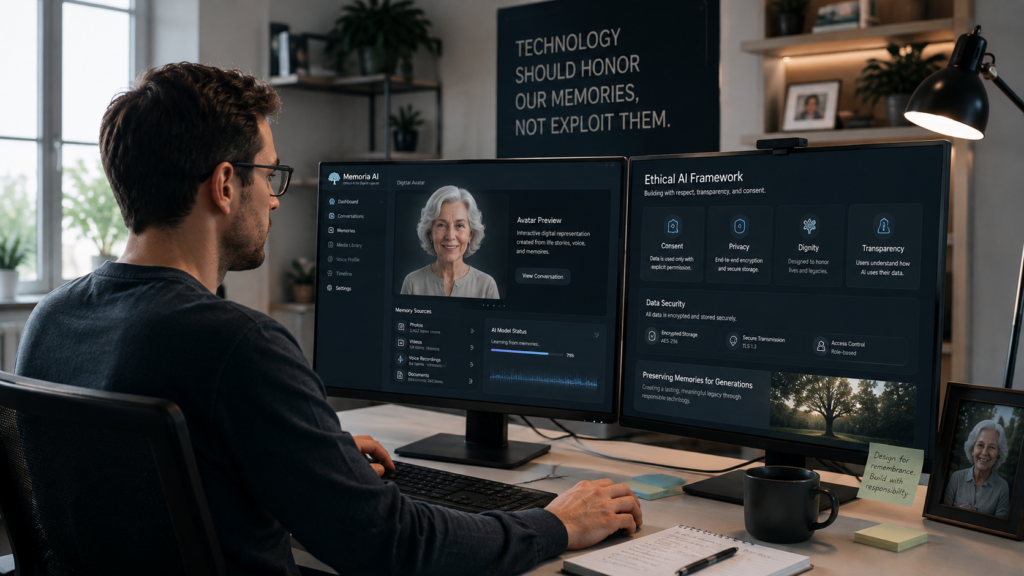
Researchers studying ethical AI afterlives have emphasized concerns involving consent, transparency, dignity, and the responsible use of personal data.
Who Owns a Digital Twin After Death?
Ownership of digital identities after death remains an evolving issue. Traditional inheritance laws often focus on physical property, financial assets, and legal documents. Digital identities create new questions because they involve personal data, creative content, and personal likeness.
Families, technology companies, and policymakers continue discussing how digital remains should be managed.
The growth of AI afterlife technology has increased conversations about digital estate planning and the importance of deciding how personal information should be handled in the future.
The Future of AI Afterlife Avatars
As artificial intelligence continues improving, digital afterlife technology may become more advanced. Future systems may include more realistic voices, interactive environments, and personalized memory experiences.
Some experts believe these tools may become part of broader digital legacy planning, allowing people to organize their memories and decide how their information may be preserved.
However, responsible development remains essential. Technology companies must consider privacy, emotional impact, and respect for the deceased when creating these systems.
Balancing Innovation and Human Remembrance
Technology has always influenced how people remember the past. Written records, photographs, videos, and online memorials have each changed the way memories are preserved.
AI afterlife avatars represent another step in this evolution. They may provide new ways to explore memories, but they cannot replace the relationships and experiences that define a person’s life.
The most meaningful remembrance continues to come from family stories, shared experiences, and the connections people build with one another.
Conclusion
AI afterlife avatars and digital twins are transforming conversations about death, memory, and technology. These tools offer new possibilities for preserving personal histories while raising important questions about ethics and human connection.
As digital remembrance continues evolving, the future of death technology will depend on creating systems that respect privacy, honor individual lives, and support meaningful remembrance.