A photograph can remind a family what someone looked like. A home video may preserve a holiday or birthday. But a carefully recorded conversation can capture something different: how a person remembered their own life, what mattered to them, and which stories they most wanted future generations to hear. That is the idea behind documentary memorial films, an emerging approach to life-story preservation receiving renewed attention in 2026.
Rather than relying only on a slideshow with music, documentary memorial films use interviews, archival images, family voices, and thoughtful editing to create a coherent story. The approach gained industry recognition when WellTold Films became one of the National Funeral Directors Association’s 2026 Innovation Award finalists. Its selection reflects growing interest in remembrance that is both personal and durable.
What Is a Documentary Memorial Film?
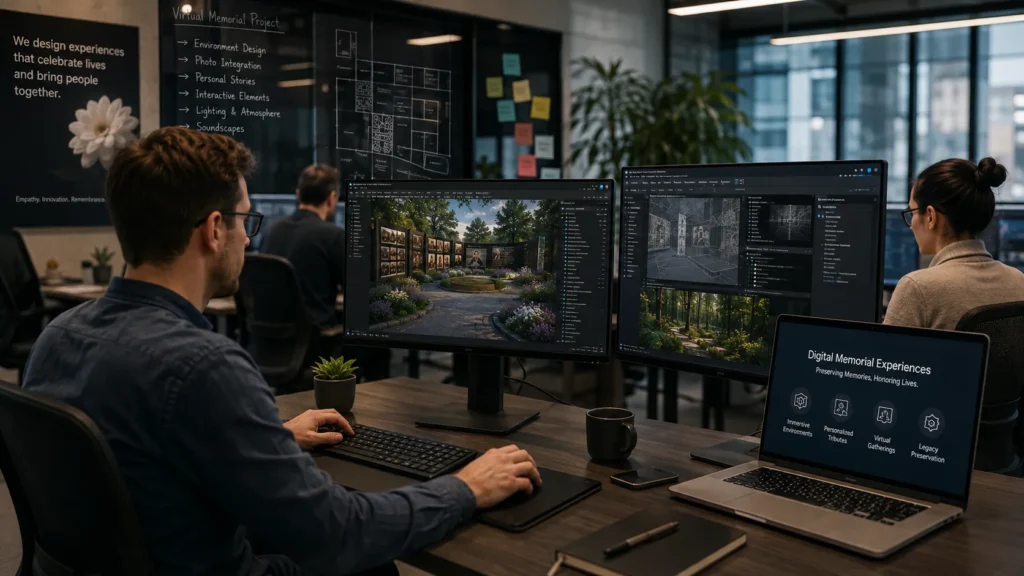
A documentary memorial film is a non-fiction video focused on a person’s life story. It can include an interview with that person while they are alive, conversations with relatives and friends, old photographs, home movies, recordings, letters, and footage of meaningful places.
The finished film may be shown privately to family, screened during a memorial gathering, or saved for future generations. Some projects are produced before death as personal legacy recordings; others are assembled afterward using existing materials and interviews with people who knew the deceased.
Unlike a short photo montage, a documentary has a narrative: a beginning, important experiences, recognizable themes, and the voices of people who can explain why particular memories matter.
Why Documentary Films Stand Out in 2026
NFDA’s description of 2026 finalist WellTold Films emphasizes professional interviews, cinema-grade production, color grading, audio mixing, original design, and a private family screening. The company also describes physical copies intended to become family heirlooms.
Those are characteristics of one professional offering, not requirements every family must meet. A documentary can also be made simply, using a smartphone, a quiet room, and an honest conversation. The essential difference is the attention given to storytelling.
This direction builds on NewDeaths’ reporting about digital time capsules after death, in which recorded messages and photographs are preserved for later viewing. A documentary film goes further by bringing multiple materials together around an intentional life story.
Why Authentic Interviews Matter
Some memorial technologies create an interactive simulation of a person using artificial intelligence. A documentary takes a different approach: the source remains a real recording, with the person’s own words preserved in context.
For example, a grandmother might describe her first job, tell the story of meeting her partner, or explain why she kept the same family recipe for fifty years. A former colleague might describe her humor at work. A grandchild might ask about a decision that shaped the family.
The Smithsonian Institution Archives’ oral-history guidance recommends planning interviews, seeking permission, asking open-ended questions, listening carefully, and retaining useful background information. These practices translate well to family documentary projects.
What Stories Belong in a Legacy Documentary?
A film need not recount every event from birth to death. It may be more memorable when it follows a few themes that reveal character. Families can explore:
- Childhood, hometown, and family traditions
- Friendships and relationships that changed a life
- Work, service, or creative achievements
- Hobbies, humor, music, and favorite places
- Obstacles, difficult choices, and lessons learned
- Advice for future generations
- Ordinary moments relatives never want to forget
The Smithsonian’s family and oral-history questions offer a useful starting point, but interviews work best when the questions are flexible enough to follow an unexpected memory.
How Families Can Record Meaningful Conversations
The technical setup can be simple. Choose a quiet room with comfortable seating and soft lighting. Position the camera at eye level, check audio levels, and avoid filming against a bright window. Ask the interviewee what they are comfortable discussing, and explain how the recording might be used.
Start with easy questions before moving to deeper subjects. The person being interviewed should be allowed to skip questions, correct an answer, pause, or stop recording.
StoryCorps Connect demonstrates how guided conversations can become meaningful recorded histories, even when people are not in the same room. Its approach emphasizes preparation, personal questions, listening, and choices about sharing.
The StoryCorps interview-question advice recommends beginning with a manageable set of questions instead of trying to summarize an entire lifetime in a single conversation.
Combining Photographs, Video, and Audio
Old photographs can deepen a documentary by showing places or people mentioned in an interview. Home movies provide movement and spontaneous interaction. Audio recordings, including older voicemail messages or public speeches, may offer another way to hear a familiar voice.
Always identify the approximate date, location, and people in a photograph whenever possible. Without context, future viewers may enjoy the picture but miss its significance.
The Library of Congress’s photo archiving advice recommends descriptive filenames and separate backups. Its digital video preservation guide advises retaining high-quality originals rather than depending only on compressed copies shared online.
A Film Can Be Created Before or After Death
A living legacy film lets the person tell their own story. It can be a meaningful birthday or anniversary project, a family-history initiative, or part of advance planning. No serious illness or approaching death is required to record life memories.
When a film is created after death, the emphasis shifts to people who knew the deceased. These interviews can preserve differing perspectives: a sibling remembers childhood, a friend describes an adventure, a partner recalls everyday routines, and a grandchild explains a family tradition.
Families should not feel obliged to agree on every detail or present a person as flawless. A thoughtful documentary can be loving and honest while leaving out private information that interviewees do not want published.
Documentary Films Versus AI Memorial Avatars
Documentary footage should not be confused with AI-generated images or simulated conversations. Interviews preserve statements actually made by real people; generative AI may create new material that the person never said or did.
NewDeaths has covered AI afterlife avatars and their ethical questions. Families considering documentary tools should know whether any voices, faces, or dialogue will be synthesized and clearly label such material if included.
Privacy, Consent, and Sensitive Family History
Family films may contain personal accounts of relationships, medical experiences, immigration, finances, or difficult events. Before publishing or distributing one widely, determine who has permission to share the recordings and whether individuals mentioned in them would reasonably expect privacy.
Different family members may prefer different audiences. A private copy circulated to close relatives is not the same as a video uploaded publicly. Interviewees should understand these choices before recording whenever possible.
The Smithsonian oral-history guidance includes discussion of recording permission, legal rights, and how interviews will be handled. Even for a small family project, that clarity can prevent misunderstandings later.
Choosing a Professional Filmmaker or DIY Approach
Professional productions can provide better sound, careful interviews, editing, and a polished finished piece, but they can also involve substantial costs. Families should request a written explanation of what is included: interview hours, filming locations, music licenses, revisions, final formats, raw files, usage rights, and delivery dates.
There is nothing inherently less meaningful about a home-produced film. A calm interview with clear sound and sincere questions often carries more emotional value than elaborate visual effects.
For memorial budgeting generally, the FTC’s funeral cost checklist encourages families to understand optional merchandise and services and compare total charges. Film production may be contracted separately from funeral arrangements.
Keep a Film Watchable for Future Generations
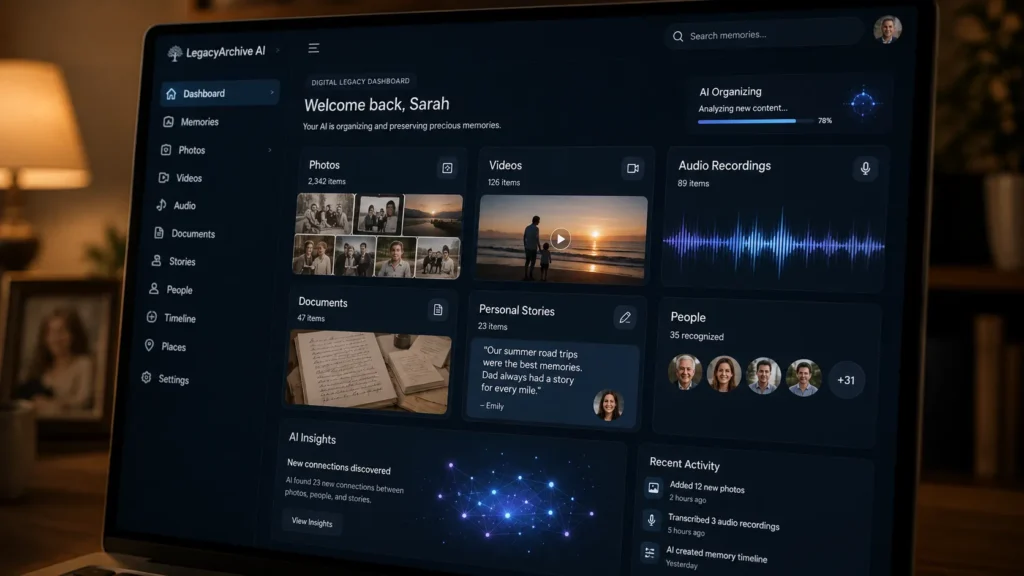
The most important preservation step happens after the final screening. Store a high-quality master file, make copies in different locations, and keep documentation explaining dates, interviewees, and image sources. Review the files periodically rather than assuming one storage device will last forever.
The Library of Congress personal digital archiving resources provide practical advice for preserving video, audio, photos, and documents as technologies change.
For a physical keepsake, some families may also retain a printed booklet, transcript, or archival storage device. These supplementary formats can help future relatives find and understand the recording.
Conclusion
Documentary memorial films provide a way to preserve more than a photograph or a list of accomplishments. They bring together voice, personality, relationships, and the stories people choose to share about their lives.
The most meaningful legacy film does not need to be long or expensive. It needs a willing participant, attentive listeners, thoughtful questions, and a preservation plan that gives future generations the chance to hear those stories in the voices that first told them.