
How AI Helps Preserve Digital Legacies
As our lives become increasingly digital, the question of how to preserve our memories and legacies after death is gaining prominence. Artificial Intelligence (AI) now offers innovative solutions to maintain a loved one’s digital footprint, ensuring that memories, stories, and important information can be preserved and accessed by family and friends.
What is a Digital Legacy?
A digital legacy encompasses the data, media, and online presence that a person leaves behind. This can include photos, videos, social media profiles, emails, documents, and more. Traditionally, this information risked being lost or inaccessible after death. AI is changing that by providing tools to organize, curate, and even simulate the digital presence of the deceased.

AI Tools for Memory Preservation
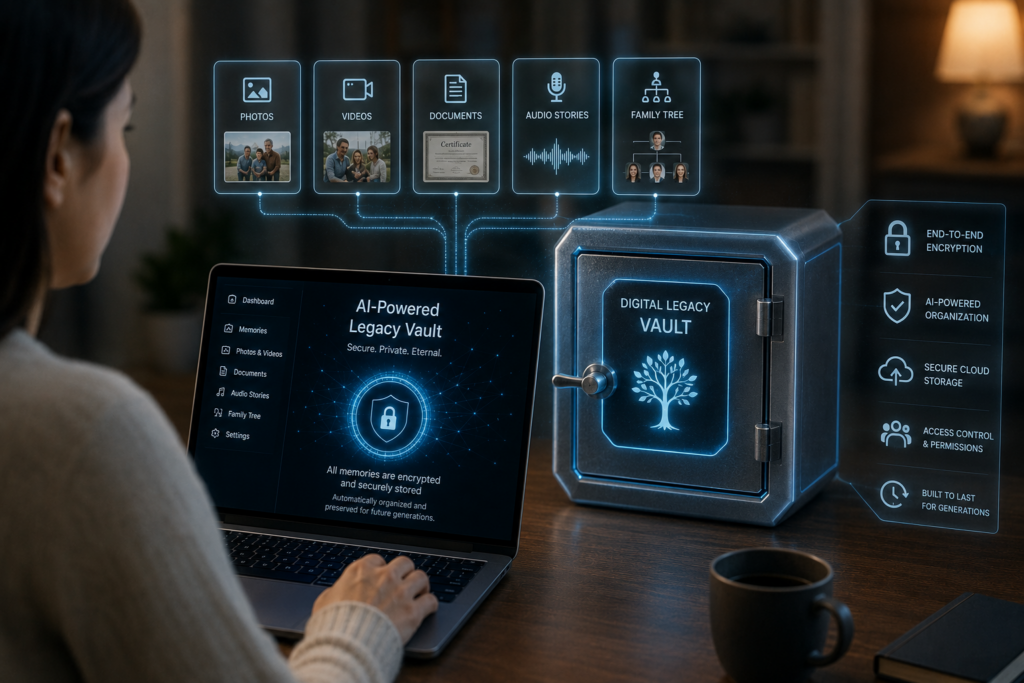
Modern AI platforms can analyze and categorize digital content, allowing families to create comprehensive memorial profiles. Some key capabilities include:
- Automated Organization: AI algorithms sort and tag photos, emails, and videos by date, location, and relationships.
- Digital Storytelling: AI can compile life events, anecdotes, and media into timelines or narrative presentations.
- Voice & Chat Simulations: Advanced AI can recreate conversational patterns or voice messages for remembrance purposes.
- Secure Archiving: AI-based services ensure privacy and data protection while maintaining long-term access.
Case Study: Families Preserving Memories
Consider the example of the Thompson family. After the passing of their patriarch, they used an AI-based digital legacy platform to gather photos, video clips, emails, and family stories. AI helped categorize the materials and generate a chronological life story. Family members could navigate the timeline interactively, adding personal reflections and messages. The platform also allowed secure sharing with relatives abroad, making it accessible across generations.
Benefits of AI in Preserving Legacies
- Accessibility: Memories are available anytime and anywhere.
- Organization: AI removes the clutter from digital storage and creates coherent archives.
- Personalization: Families can customize digital memorials with AI-enhanced storytelling.
- Legacy Preservation: AI ensures that the deceased’s digital persona and history are maintained for future generations.
Ethical Considerations
While AI offers remarkable capabilities, there are ethical considerations. Families should ensure consent for digital content usage, consider the implications of recreating voice or persona, and secure data to prevent misuse. Many platforms include privacy-focused settings and legal agreements to address these concerns.
Popular Platforms and Services
Some AI-based digital legacy services gaining popularity include Etch, and Luminary Legacy. These tools allow families to preserve stories, photos, and digital traces in secure, interactive formats.
Future of Digital Legacies
AI-driven legacy preservation is expected to evolve, incorporating more immersive experiences such as VR memorial spaces, interactive AI avatars, and predictive storytelling. These advancements ensure that digital legacies remain engaging and accessible for generations, offering new ways to honor the lives of loved ones.
Conclusion
AI is transforming how families preserve memories after a loved one’s death. By automating organization, enabling storytelling, and providing secure archiving, AI ensures that digital legacies are protected and cherished. As technology progresses, digital memorials will become even more interactive, personalized, and enduring.