
Death is a universal experience, but the way people approach the final stages of life is changing. In recent years, more families have started exploring personalized approaches to dying, grief, and remembrance. One growing trend is the rise of death doulas, professionals who provide emotional, educational, and practical support during the end-of-life process.
Similar to birth doulas who support families during childbirth, death doulas help individuals and loved ones navigate the emotional challenges surrounding death. They do not replace doctors, hospice providers, or funeral professionals. Instead, they provide guidance, communication, and companionship during one of life’s most difficult transitions.
What Is a Death Doula?
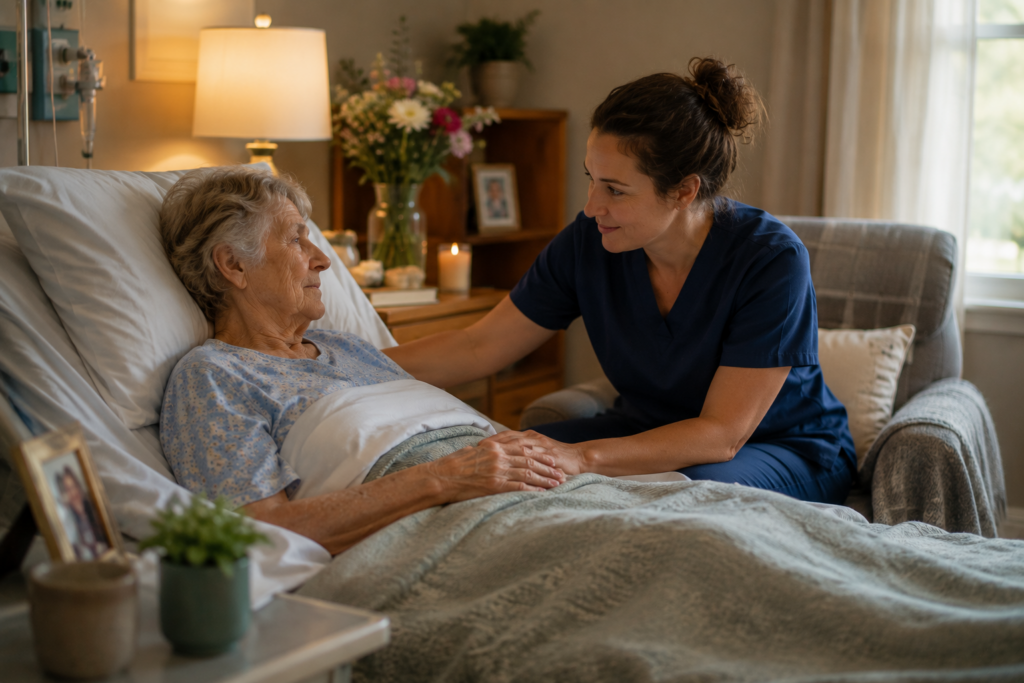
A death doula, sometimes called an end-of-life doula, is a trained professional who helps individuals and families prepare for death. Their role focuses on emotional support, education, and helping people create meaningful experiences during the final chapter of life.
According to the International End of Life Doula Association, death doulas assist people by providing resources, guidance, and companionship throughout the dying process.
Unlike medical professionals, death doulas generally do not diagnose illnesses or provide medical treatment. Their purpose is to help people understand their options, communicate their wishes, and feel supported.
Why Death Doulas Are Becoming More Popular
Several factors have contributed to the increased interest in death doula services. One major factor is the growing desire for more personalized end-of-life experiences.
Many families feel disconnected from traditional approaches to death. Hospitals, technology, and modern lifestyles have changed how people experience dying. As a result, some individuals are seeking more personal and meaningful ways to approach mortality.
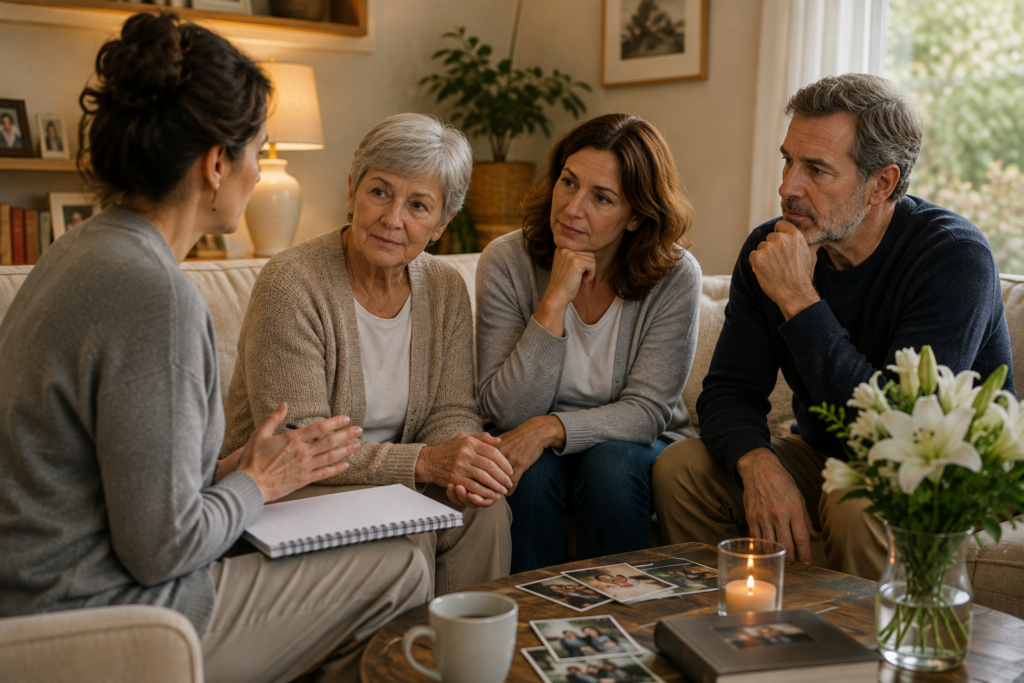
Death doulas help families discuss important topics such as:
- End-of-life wishes
- Emotional preparation
- Legacy projects
- Family communication
- Grief support
The Difference Between Death Doulas and Hospice Care
Hospice care focuses primarily on medical comfort and symptom management for individuals with terminal illnesses. Death doulas provide additional emotional and practical support that may complement hospice services.
The National Hospice and Palliative Care Organization explains that hospice care focuses on improving quality of life for patients and families facing serious illness.
A death doula may help families prepare emotionally, create meaningful rituals, document memories, or simply provide a compassionate presence.
How Death Doulas Help Families Create Meaningful Goodbyes
Many death doulas encourage families to think beyond traditional funeral arrangements. They may help create personalized ceremonies, memory projects, or conversations that celebrate a person’s life.
This connects with the growing interest in digital remembrance. NewDeaths has previously explored how technology is changing memorial practices through articles about digital memorials and modern approaches to remembering loved ones.
The Future of Death Care
As conversations about death become more open, death doulas may become a more common part of end-of-life planning. Many experts believe society is moving toward a more personalized approach that combines healthcare, emotional support, technology, and family involvement.
Organizations such as the National Institute on Aging also encourage advance care planning so individuals can communicate their healthcare preferences before serious illness occurs.
Challenges Facing the Death Doula Movement
Although interest in death doulas is increasing, the profession still faces challenges. Training standards vary, and regulations differ between locations.
Families considering hiring a death doula should research qualifications, experience, and the type of support offered.
Conclusion
Death doulas represent a changing approach to mortality and end-of-life care. By helping families communicate, prepare, and create meaningful experiences, these professionals are reshaping how society thinks about death.
As people continue seeking more personal and compassionate ways to approach life’s final moments, death doulas may become an important part of modern death care.