
Artificial intelligence is changing the way people think about memory, identity, and life after death. One of the most discussed developments in modern death technology is the rise of AI deathbots, digital avatars, and systems designed to recreate aspects of deceased individuals through technology.
These tools use information such as photographs, videos, voice recordings, messages, and personal writings to create interactive digital representations. While some people see these systems as a new way to preserve memories, others question the emotional and ethical impact of recreating someone who has passed away.
What Are AI Deathbots?
AI deathbots are artificial intelligence systems designed to imitate aspects of a deceased person’s communication style, personality, or memories. They may use existing digital information to generate conversations, voice responses, or visual representations.
Unlike traditional memorials that preserve photographs or written stories, AI deathbots attempt to create an interactive experience. Users may communicate with a digital representation that responds based on collected information from the person’s life.
Researchers have described these technologies as part of the broader concept of AI afterlives, where artificial intelligence systems create digital representations based on personal data.
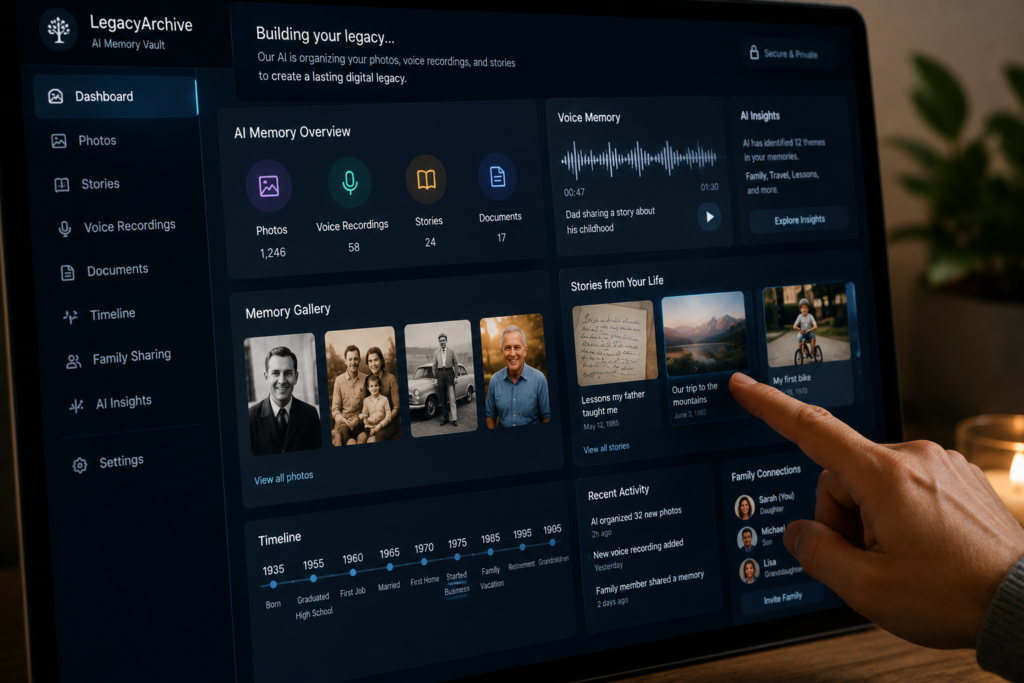
Why Digital Resurrection Technology Is Gaining Attention
The popularity of AI memorial technology reflects a larger cultural shift toward digital remembrance. People now leave behind large amounts of digital information, including social media posts, photographs, videos, and messages.
Companies developing digital legacy tools are exploring ways to transform these materials into interactive experiences. Instead of storing memories in an archive, AI allows families to engage with those memories in new ways.
NewDeaths has previously explored how artificial intelligence is changing obituaries, funeral services, and digital memorials through articles about AI-powered remembrance technology.
How AI Creates Digital Versions of People
AI systems may analyze different types of personal information to create digital representations. This information may include:
- Voice recordings
- Photographs and videos
- Written messages
- Social media activity
- Personal stories and documents
Advanced systems may combine these materials to generate responses that resemble a person’s communication patterns. However, these digital recreations are not the actual person. They are technology-based representations created from available information.
The Potential Benefits of AI Memorial Technology
Supporters of AI deathbots believe these tools may provide new ways to preserve memories and maintain connections with important moments from someone’s life.
Potential uses include:
- Creating interactive family histories
- Preserving personal stories for future generations
- Helping families organize memories
- Supporting digital memorial experiences
AI may also help families who struggle to organize large collections of photographs, videos, and written materials after a death.
Ethical Concerns Surrounding Digital Resurrection
Despite growing interest, AI deathbots remain controversial. Many experts question whether creating digital versions of deceased people could affect the grieving process.
Some concerns include:
- Whether the deceased gave permission for their data to be used
- Who controls digital versions after death
- How companies protect personal information
- Whether AI recreations could create emotional dependency
The UNESCO AI ethics recommendations emphasize responsible AI development, transparency, and respect for human dignity.
Can AI Replace Human Memories?
Most researchers and professionals agree that AI cannot replace genuine human relationships or memories. A digital recreation may preserve certain details, but it cannot fully represent the complexity of a person’s life.
Traditional storytelling, family conversations, photographs, and personal experiences remain important parts of remembering someone.
AI technology may serve as an additional tool for preserving memories, but human connection remains central to the grieving process.

The Future of AI After Death
As artificial intelligence continues to develop, digital afterlife technology may become more advanced. Future systems may include improved voice recreation, immersive virtual environments, and personalized memory archives.
However, the future of AI remembrance depends on creating responsible systems that respect privacy, consent, and emotional well-being.
Conclusion
AI deathbots and digital resurrection technology represent a major change in how society approaches death and remembrance. These tools offer new ways to preserve memories but also raise important questions about identity, privacy, and grief.
As technology continues evolving, the challenge is finding a balance between innovation and respect for the human experiences connected to loss and remembrance.