
For generations, people have honored loved ones through traditional cemeteries, monuments, and headstones. However, a growing number of families are exploring a different approach to remembrance: creating living memorials through trees, forests, gardens, and natural landscapes.
Living memorials represent a shift toward sustainable deathcare by transforming remembrance into something that continues growing over time. Instead of a permanent stone structure, a memorial tree or forest becomes a living tribute that changes with each season.
This movement combines environmental awareness, emotional connection, and modern technology. Families can now pair natural memorial spaces with digital tools such as QR codes, online tribute pages, and interactive memory archives.
What Are Living Memorials?
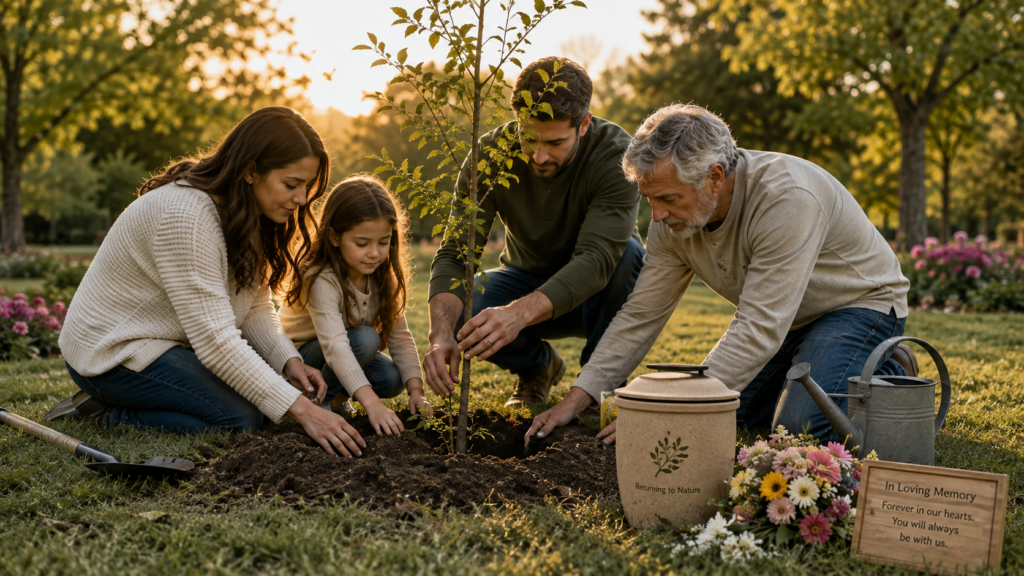
A living memorial is a remembrance practice that uses natural elements such as trees, plants, gardens, or restored landscapes to honor someone who has passed away.
Unlike traditional memorials that remain unchanged, living memorials continue developing over time. A planted tree grows, provides habitat, creates shade, and becomes part of the surrounding ecosystem.
Families may choose living memorials through:
- Memorial tree planting
- Forest conservation programs
- Memorial gardens
- Plantable urns
- Restoration projects
The growing interest in green funerals reflects a broader movement toward environmentally conscious end-of-life choices. Natural burial, conservation burial, and other sustainable practices are becoming more recognized as alternatives to traditional arrangements.
Why Memorial Forests Are Becoming Popular
Many people are reconsidering how they want to be remembered. Instead of focusing only on permanence, some individuals prefer the idea of returning to nature and contributing to future generations.
Memorial forests offer a symbolic connection between life, renewal, and the natural world. A tree can represent growth, continuity, and the lasting impact a person leaves behind.
Environmental concerns are also influencing these decisions. Families interested in sustainable deathcare often seek options that reduce resource use and create a positive ecological legacy.
How Tree Memorials Work
A tree memorial can take several forms depending on location, regulations, and personal preferences.
Some programs allow families to plant a tree in a protected forest or conservation area. Others may incorporate cremated remains into soil used for planting projects.
The process may include:
- Selecting a memorial location
- Choosing a tree species
- Creating a dedication message
- Planting or dedicating the tree
- Maintaining the memorial site
Some families choose memorial forests because they provide a physical place to visit while also supporting environmental restoration.
The Connection Between Living Memorials and Green Funerals
Living memorials are closely connected with the growth of green funeral practices. Sustainable deathcare focuses on reducing environmental impact while preserving meaningful ways to remember someone.
Options may include biodegradable urns, natural burial grounds, human composting, and tree-based memorials.
NewDeaths has previously explored related topics including green funerals, sustainable deathcare, digital memorials, and future funeral technology.
As green burial options become more widely discussed, living memorials provide another way for families to create meaningful and environmentally responsible tributes.
Digital Trees: Combining Nature With Technology
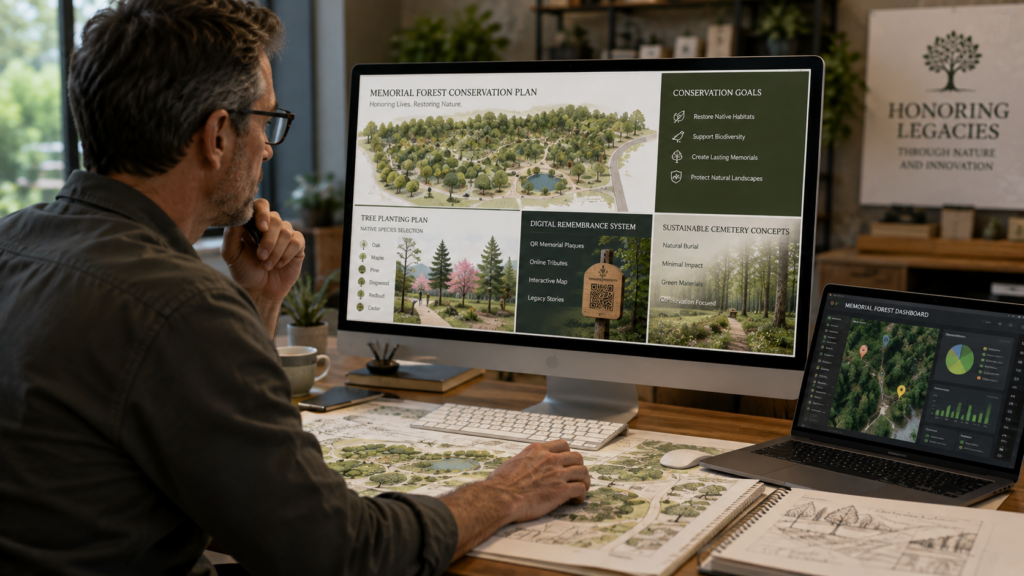
Technology is adding a new dimension to living memorials. Digital tree memorials combine natural spaces with online remembrance tools.
A memorial tree may include:
- QR-enabled plaques
- Digital biographies
- Photo collections
- Video tributes
- Family messages
Visitors can scan a marker near the tree and access a digital memorial page containing stories and memories about the person being honored.
This approach allows families to maintain a detailed legacy while keeping the physical memorial simple and environmentally friendly.
How Artificial Intelligence May Support Living Memorials
Artificial intelligence may also play a role in the future of tree-based remembrance.
AI tools could help families organize photographs, create digital biographies, restore old images, and build interactive memory archives connected to a living memorial.
For example, a family visiting a memorial tree years later could access a digital timeline showing important moments from a loved one’s life.
This connects with NewDeaths articles about AI-powered memorial technology and digital legacy preservation.
Environmental Benefits of Living Memorials
Living memorials provide several environmental benefits compared with traditional memorial approaches.
Depending on the program and location, planted memorials may help:
- Support biodiversity
- Protect natural landscapes
- Create green spaces
- Restore forests
- Reduce reliance on manufactured materials
Some conservation burial programs combine remembrance with land preservation by protecting natural areas from future development.
Emotional Meaning Behind Memorial Trees
Beyond environmental benefits, many families choose living memorials because they create an ongoing connection.
A tree changes throughout the year. It grows, loses leaves, blooms, and continues becoming part of the landscape. For many people, this provides comfort and a reminder that memories continue even after loss.
Some families visit memorial trees on birthdays, anniversaries, holidays, or important personal milestones.
Challenges of Living Memorials
Although living memorials are growing in popularity, families should consider several factors before choosing this option.
- Location availability
- Long-term maintenance plans
- Ownership and land protection
- Local regulations
- Digital memorial storage options
A memorial tree may also change over time because of weather, disease, or environmental conditions. Families should understand how providers maintain and protect memorial locations.
The Future of Living Memorials
As society continues exploring sustainable alternatives, living memorials may become a larger part of modern deathcare.
Future memorial forests may combine:
- Conservation projects
- Digital remembrance platforms
- AI-powered memory archives
- Virtual memorial experiences
- Interactive nature-based tributes
The combination of technology and nature allows families to create memorials that are both personal and environmentally meaningful.
Conclusion
Living memorials and memorial forests represent a new way of thinking about remembrance. Instead of focusing only on permanent structures, these approaches create ongoing connections between people, memories, and nature.
By combining sustainable practices with digital technology, future generations may experience memorials that continue growing, preserving stories while protecting the environment.