
Funeral technology is evolving rapidly, combining digital innovation with traditional deathcare practices. In 2026, families are increasingly embracing QR-enabled memorials, interactive digital displays, and connected hardware to preserve memories and create meaningful tributes for loved ones. These advances enable more personalized and accessible remembrance experiences while expanding the ways we honor lives.
What Are QR Memorials?
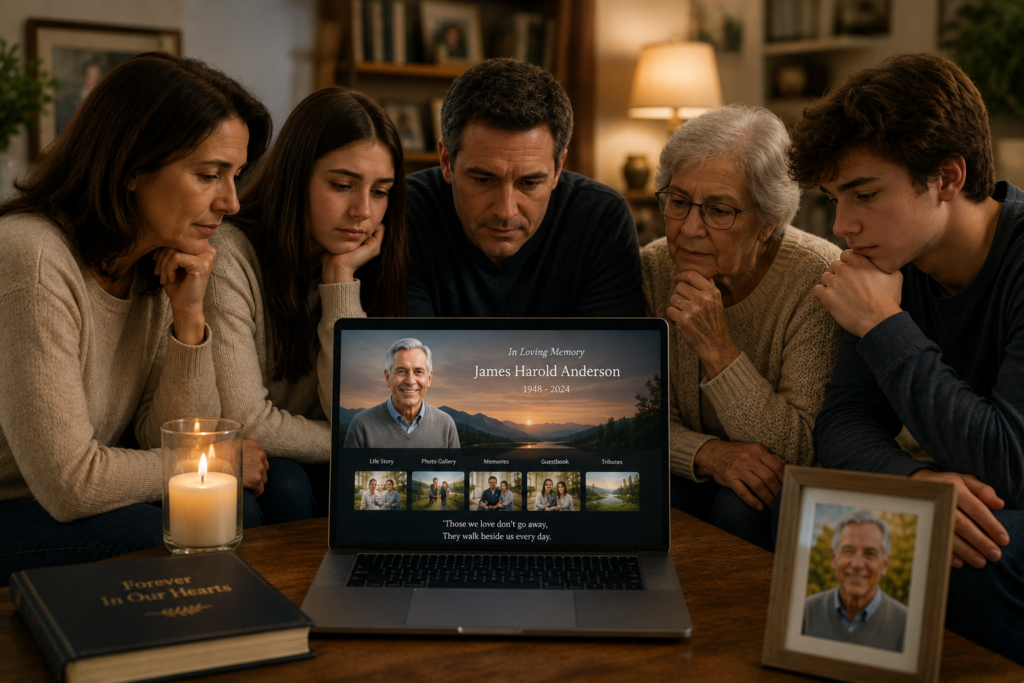
QR memorials use quick-response codes linked to digital platforms that host photos, life stories, videos, and virtual guestbooks. They can be placed on tombstones, plaques, urns, or printed memorial cards. Visitors can scan the code with a smartphone to access interactive content, effectively merging physical remembrance with the digital world.
According to Scan2Remember, QR memorials are gaining popularity because they offer families a simple way to expand memorialization beyond static markers, creating dynamic content that can be updated over time.
Interactive Digital Memorial Hardware
Funeral homes are also deploying dedicated hardware to enhance memorial experiences:
- Large touchscreen displays at services showing slideshows, videos, and live guest messages
- AI-powered kiosks allowing visitors to explore life stories and photos
- AR/VR experiences for immersive digital memorials
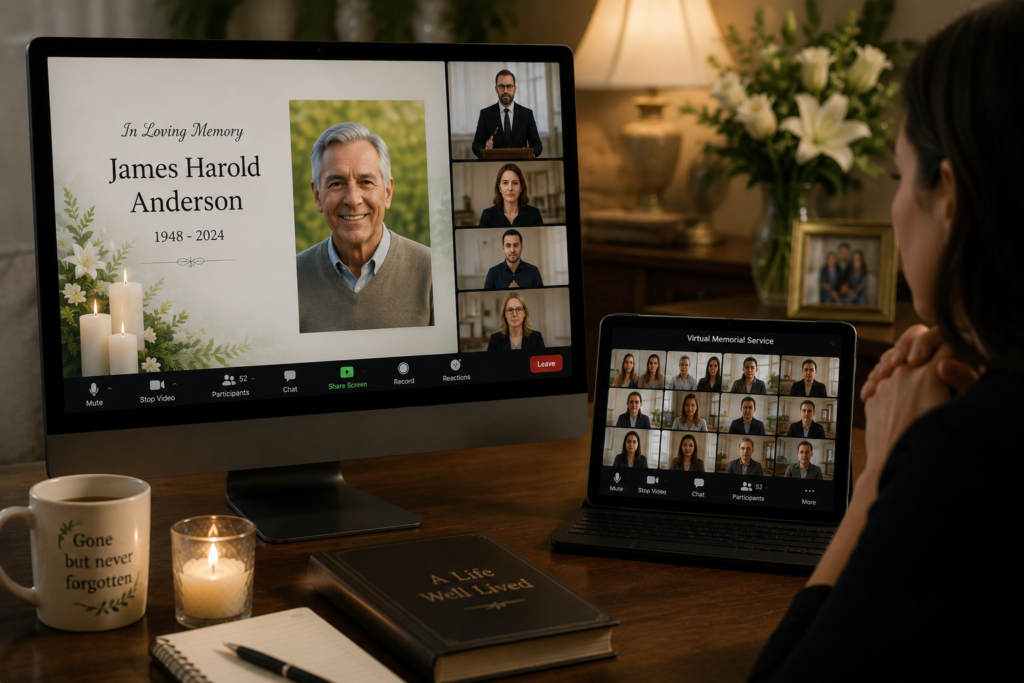
- Connected tablets and apps for remote participation in memorials
These innovations provide ways for geographically distant friends and family to engage meaningfully, while giving local attendees richer experiences beyond printed materials, nfda.org.
Benefits of QR Memorials and Digital Hardware
Families and funeral providers cite multiple benefits:
- Accessibility: Friends and relatives worldwide can access memories instantly
- Longevity: Digital records can preserve life stories indefinitely, unlike physical documents
- Personalization: Tributes can include photos, videos, music, and written memories
- Interactivity: Guests can leave messages, sign digital guestbooks, and participate virtually
- Eco-friendly: Reduces need for printed programs or excessive paper memorials
This trend complements earlier AI-driven funeral tools explored on NewDeaths, which focused on digital memorial content creation.
Case Studies & Real-World Adoption
Several modern funeral homes now incorporate QR codes directly into plaques, headstones, and memorial cards. In some locations, families can even customize the content in real-time using AI-powered software, linking music, tributes, and life stories. These innovations ensure that memorials remain meaningful, flexible, and continuously updated.
Scientific studies suggest that digital memorials can help with grief processing. A 2025 Pew Research Center survey indicated that over 30% of U.S. adults engaged with online memorial content to remember a deceased loved one.
Challenges & Considerations
While technology enhances memorialization, families should consider:
- Privacy: Who can access digital memorial content
- Longevity: Digital platforms require long-term maintenance
- Cost: Premium interactive hardware and services may be expensive
- Technological literacy: Older family members may require guidance
Despite these challenges, providers note that planning ahead and selecting reputable services mitigates most risks. Platforms like Scan2Remember and memorial tablets with cloud-based backup options have made adoption easier and safer.
Future Directions of Digital Funeral Technology
As the deathcare industry continues to modernize, expect more integration between physical and digital memorials:
- QR codes on eco-friendly burial sites linking to digital tributes
- AI-generated life stories or obituaries customized for families
- VR or AR memorial spaces for immersive remembrance
- Remote participation options for virtual funerals
These tools allow families to honor legacies in meaningful, lasting ways while reducing environmental impact, simplifying logistics, and bridging geographical barriers, scientificamerican.com.
Conclusion
Interactive QR memorials and digital funeral hardware are shaping the future of remembrance in 2026. These innovations combine accessibility, personalization, and sustainability while allowing families to celebrate lives meaningfully. By merging technology with traditional funeral rituals, society can preserve memories in dynamic, interactive, and enduring ways.
As families increasingly embrace digital memorialization, funeral homes will continue to adopt innovative technologies, ensuring that both memory and legacy live on for future generations.