
In the wake of evolving technology and shifting cultural norms, virtual memorial services have emerged as a new way for families to honor deceased loved ones. Gone are the days when mourning was confined to physical spaces. Today, families can host a digital ceremony that connects relatives and friends across cities, states, and even continents.
Understanding Virtual Memorial Services
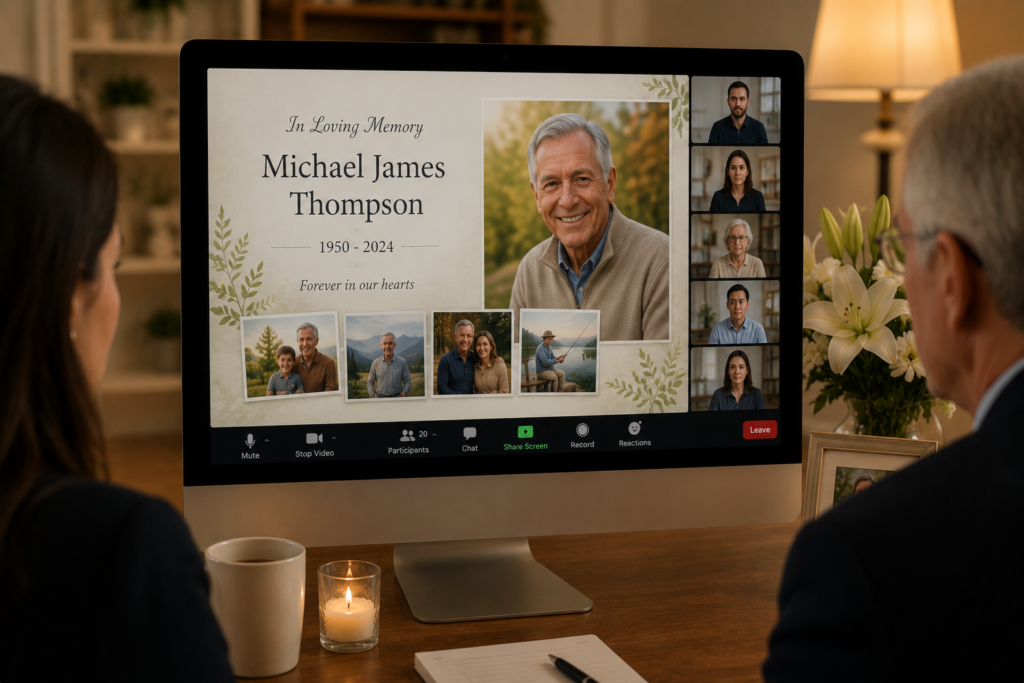
Virtual memorial services are online events, often live-streamed, that allow friends and family to participate in funerals, memorials, or celebration-of-life ceremonies remotely. These services often include live readings, music, video montages, and guest participation through chat or video calls. Platforms such as Zoom, Microsoft Teams, or specialized memorial platforms have made it easier than ever to gather loved ones digitally.
The Benefits of Going Virtual
- Accessibility: Distant family members can join without travel restrictions.
- Inclusivity: Individuals who are homebound, elderly, or traveling can still participate.
- Recording & Preservation: Virtual services can be recorded, providing a lasting digital tribute for those unable to attend.
- Flexibility: Families can host multiple smaller sessions or share a live-stream to large audiences simultaneously.
Creating Meaningful Online Tributes
Beyond the live service, families are now investing in digital memorial pages. These pages can include photos, stories, videos, and personal messages that preserve the legacy of the deceased. Platforms such as Everdays and Kollective specialize in hosting digital tributes, ensuring privacy while providing interactive engagement.
For example, a family in Los Angeles used a virtual memorial to honor their father. They combined recorded eulogies, a slideshow of his life, and live streaming for attendees in different countries. The digital archive allowed future generations to access the service online, preserving his memory in ways that were previously impossible.
Designing the Experience
To maximize engagement and comfort for participants:
- Choose a platform that supports high-quality video and audio.
- Incorporate interactive features like live chat or Q&A sessions.
- Share digital invitations and instructions ahead of time.
- Consider having a moderator to manage the virtual service smoothly.
Challenges of Virtual Memorial Services
While virtual memorials offer convenience, they also pose challenges. Some mourners may feel disconnected without physical presence. Additionally, technical difficulties can disrupt the flow, so testing platforms ahead of time is crucial. Despite these challenges, the benefits of accessibility and inclusivity make virtual memorials a valuable option for modern families.
Integrating with Traditional Services
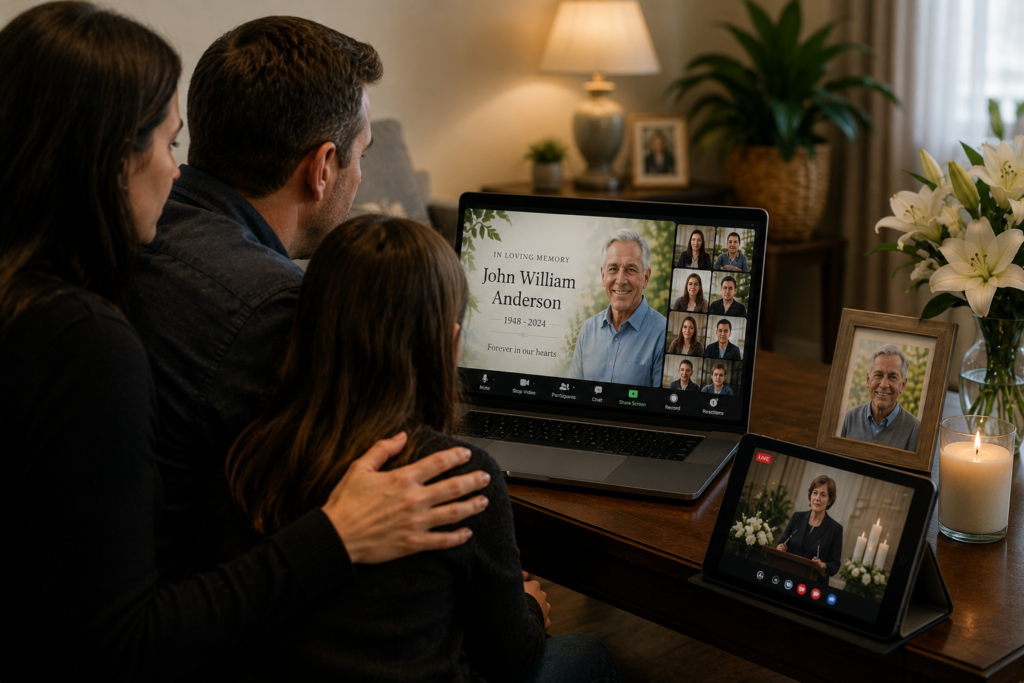
Many families combine virtual and in-person memorials. This hybrid approach allows local attendees to join physically while extending participation to distant relatives. By offering a live stream of the in-person ceremony, families can bridge the gap between tradition and modernity.
Legal & Privacy Considerations
Virtual memorial services may involve sensitive personal information. Families should choose secure platforms and consider privacy settings. Ensuring consent for recordings, photo sharing, and live streaming is critical to respecting the deceased and attendees.
Conclusion
Virtual memorial services represent a profound shift in how society honors its deceased. They allow loved ones to gather despite physical distance, preserve memories digitally, and provide flexibility in hosting ceremonies. As technology continues to evolve, the way we commemorate life will adapt, offering meaningful ways to connect and remember, regardless of geography.