Cremation has been increasing in the United States for decades, often explained as a less expensive alternative to traditional burial. But newly released research suggests that price no longer tells the whole story. More families are choosing cremation because it can make scheduling, transportation, remembrance, and family participation more flexible.
According to the National Funeral Directors Association’s November 9, 2026 report, cremation is projected to represent 64.3% of US final dispositions in 2026. The report identifies convenience and simplicity as the leading cited motivation for cremation, ahead of cost considerations. This shift makes why families choose cremation in 2026 an important question for anyone planning a funeral or considering personal wishes.
What the 2026 Cremation Report Actually Shows
The NFDA reports that 43.3% of respondents cited convenience or simplicity as a reason for cremation, compared with 34.4% citing cost and 23.2% citing environmental concerns. These figures describe reported motivations in the association’s research; they should not be added together or treated as percentages of all American deaths. The separate 64.3% figure is the report’s projection of cremation’s share of US final dispositions for the year.
The important finding is not that expense has become irrelevant. It is that families may value control over timing and ceremony as much as, or more than, a lower bill. The association’s report also points to greater interest in banquet halls, outdoor gatherings, celebrants, and events that combine contemporary preferences with religious or spiritual customs.
Why Convenience Can Matter More Than Families Expect
A death can occur when relatives live in different states, work on different schedules, or cannot travel immediately. With burial, the family may need to coordinate cemetery availability, services, transportation, and other arrangements within a relatively short period. Cremation can allow more time to decide when and where to hold a gathering.
That does not mean cremation eliminates paperwork, authorizations, waiting periods, or local legal requirements. Those still depend on the state, crematory, and circumstances of death. What it may offer is a way to separate the timing of final disposition from the timing of a memorial.
For families who want to gather on a holiday weekend, include relatives traveling from overseas, or plan a ceremony in a meaningful location, this flexibility can be valuable. NewDeaths explored that broader emphasis on family participation in Personalized Celebrations of Life.
Direct Cremation and Cremation With a Ceremony Are Different
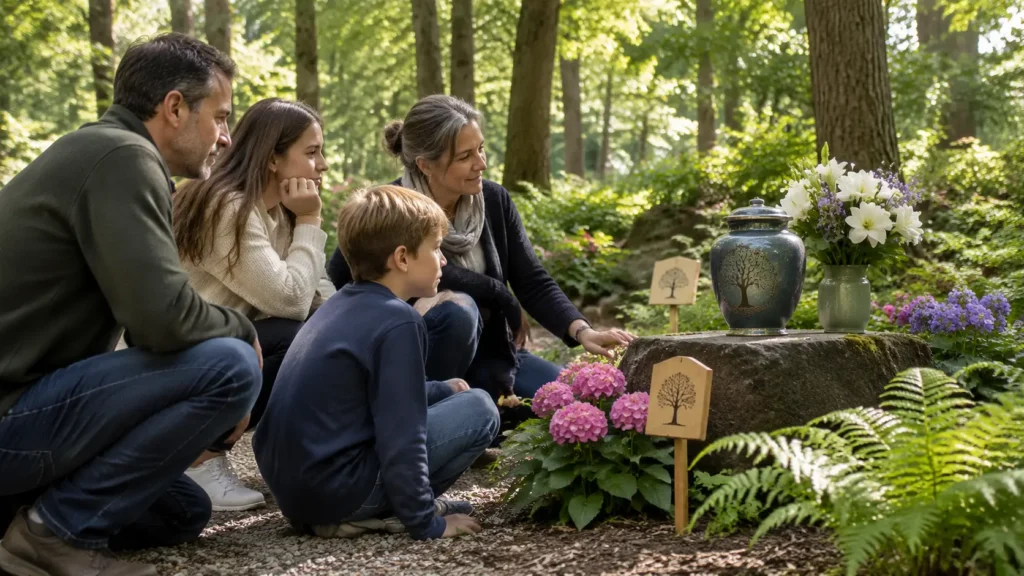
One common misunderstanding is that choosing cremation means choosing no service. In fact, families can select direct cremation, cremation after a traditional funeral with the body present, or cremation followed by a separate memorial or celebration of life.
Direct cremation generally means cremation without a formal viewing or ceremony with the body present beforehand. Families can still arrange a remembrance gathering afterward. Under the Federal Trade Commission’s Funeral Rule, a funeral provider arranging direct cremation cannot require the purchase of a casket and must make an alternative container available.
By contrast, cremation with a viewing or religious service may involve preparation, facilities, transportation, additional staff, and separate merchandise. Families should not assume that every cremation package includes the same services or has the same total price.
Does Cremation Always Cost Less Than Burial?
Cremation can be less expensive, particularly when a family chooses direct cremation and a simple memorial. But a full-service funeral with viewing, elaborate reception, urn, cemetery niche, and other purchases may cost considerably more than the lowest advertised cremation price.
The FTC funeral pricing checklist encourages consumers to compare individual goods and services. Request the funeral home’s General Price List and ask whether the quote includes crematory charges, transportation, permits, a container, the urn, and any service or third-party fees.
When comparing providers, remember that cemetery costs and memorial placement may be separate from the cremation itself. NewDeaths’ article on funeral price transparency explains how to identify charges that are easy to overlook during an urgent decision.
Modern Cremation Can Still Include Religious Rituals
Another misconception is that cremation necessarily represents a rejection of faith or tradition. Religious perspectives on cremation vary substantially, and some communities do not permit it. Other families incorporate prayers, readings, spiritual leadership, or customary music into a ceremony before or after cremation.
The NFDA’s 2026 findings highlight an interesting combination: respondents reported interest in nontraditional venues while many continued to value a religious element. Families should check the expectations of their own faith community rather than assuming cremation automatically permits or excludes a particular ritual.
NewDeaths’ article on Gen Z funeral preferences offers another reminder that traditional rituals and newer choices can coexist.
What Can Families Do With Cremated Remains?
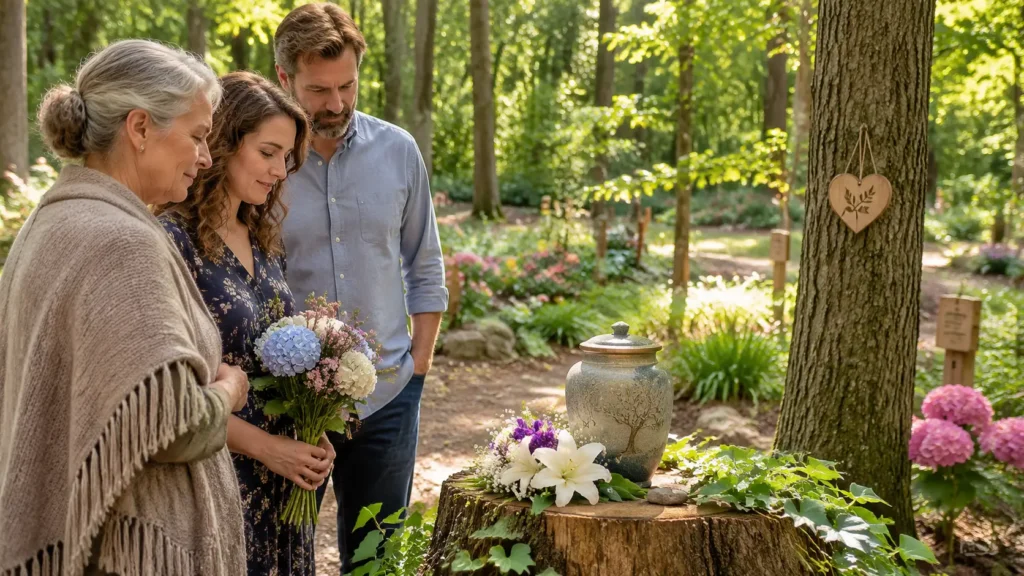
Cremation is a method of disposition, not a complete memorial plan. Afterward, relatives may choose to place remains in a cemetery grave, columbarium niche, or urn garden; retain an urn at home; or scatter remains where permitted. Some families divide remains among authorized keepsakes, subject to their preferences and applicable rules.
Choosing a final placement is not always immediate. It can help to discuss the person’s wishes and decide who will be responsible for the urn, cemetery arrangements, or records. If the family expects to relocate in the future, practical questions about portability or permanent access may be especially important.
Scattering at sea is regulated. The US Environmental Protection Agency explains that ocean scattering of cremated human remains under its general permit must occur at least three nautical miles from land, with additional conditions and reporting requirements. Inland waters and parks may have separate restrictions, so check the actual location before planning a ceremony.
Are Environmental Concerns Driving More Cremation?
The NFDA research identifies environmental concerns as another reported reason for cremation, although they ranked behind convenience and cost. Consumers sometimes associate cremation with avoiding cemetery space, embalming, or some burial merchandise, but environmental comparisons are not simple.
Conventional flame cremation uses energy and produces emissions. Burial practices vary too, from conventional cemeteries to conservation and natural burial. Different materials, transportation distances, land management methods, and local regulations change the overall impact.
Families interested in alternatives can explore NewDeaths’ coverage of sustainable deathcare and biodegradable memorial technology. The best choice depends on personal values, available providers, local rules, and the services actually offered.
How Technology Makes Cremation Arrangements More Flexible
Online research, digital paperwork, virtual consultations, and memorial websites can make coordinating arrangements easier for people separated by distance. Families may compare providers, share photographs, organize guests, or schedule a later celebration without requiring everyone to travel at once.
However, digital convenience should not replace careful review. Ask who operates the crematory, how identification and chain-of-custody procedures work, which authorizations are required, and how remains will be returned. The Funeral Consumers Alliance encourages people to ask clear questions and evaluate providers rather than judging them only by advertising or convenience.
The easiest online purchasing experience is not necessarily the most appropriate arrangement for an individual family.
Five Questions to Ask Before Choosing Cremation
- Would the person have wanted a viewing, religious service, private farewell, or celebration after cremation?
- What does the total written quote include, and which costs are additional?
- Who performs the cremation and how is identity maintained throughout the process?
- When and how will the family receive the cremated remains?
- Where should the remains ultimately be placed, and who will handle that decision?
If the person is planning ahead, write down wishes and tell a trusted relative where the document is kept. The FTC’s advance funeral planning guidance explains why documenting preferences can help, while also distinguishing planning from making a binding prepaid purchase.
Conclusion
The most important lesson from the 2026 cremation research is that families are choosing more than a price point. Convenience, timing, personal rituals, environmental values, and the ability to gather meaningfully all influence the decision. Cremation can offer flexibility, but it still requires informed consent, careful provider selection, and a plan for remembrance.
Families do not have to choose between honoring tradition and making practical arrangements. They can compare their options, understand the complete cost, and create a farewell that reflects the person rather than a standard package.